
STORIES & RESULTS
The work tells
the story.
Crops reach market. Water arrives in fewer trips. An entrepreneur serves more customers. These accounts from the field show how people have put BUVs to work.
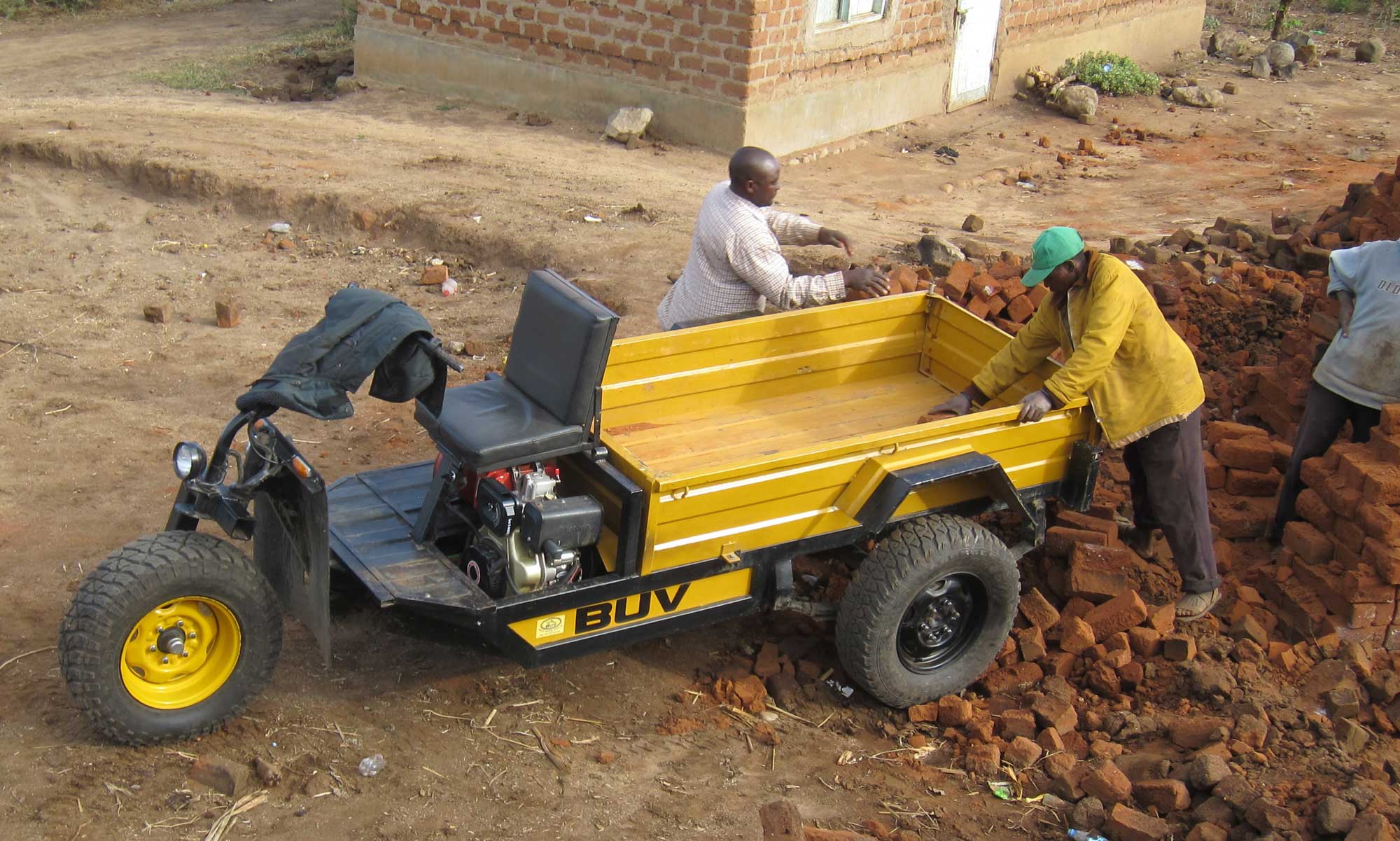
FROM THE FIELD ARCHIVE
People. Places. Practical results.
These stories describe experiences recorded over the years. Each belongs to its original context; the outcomes are not guarantees for future projects.
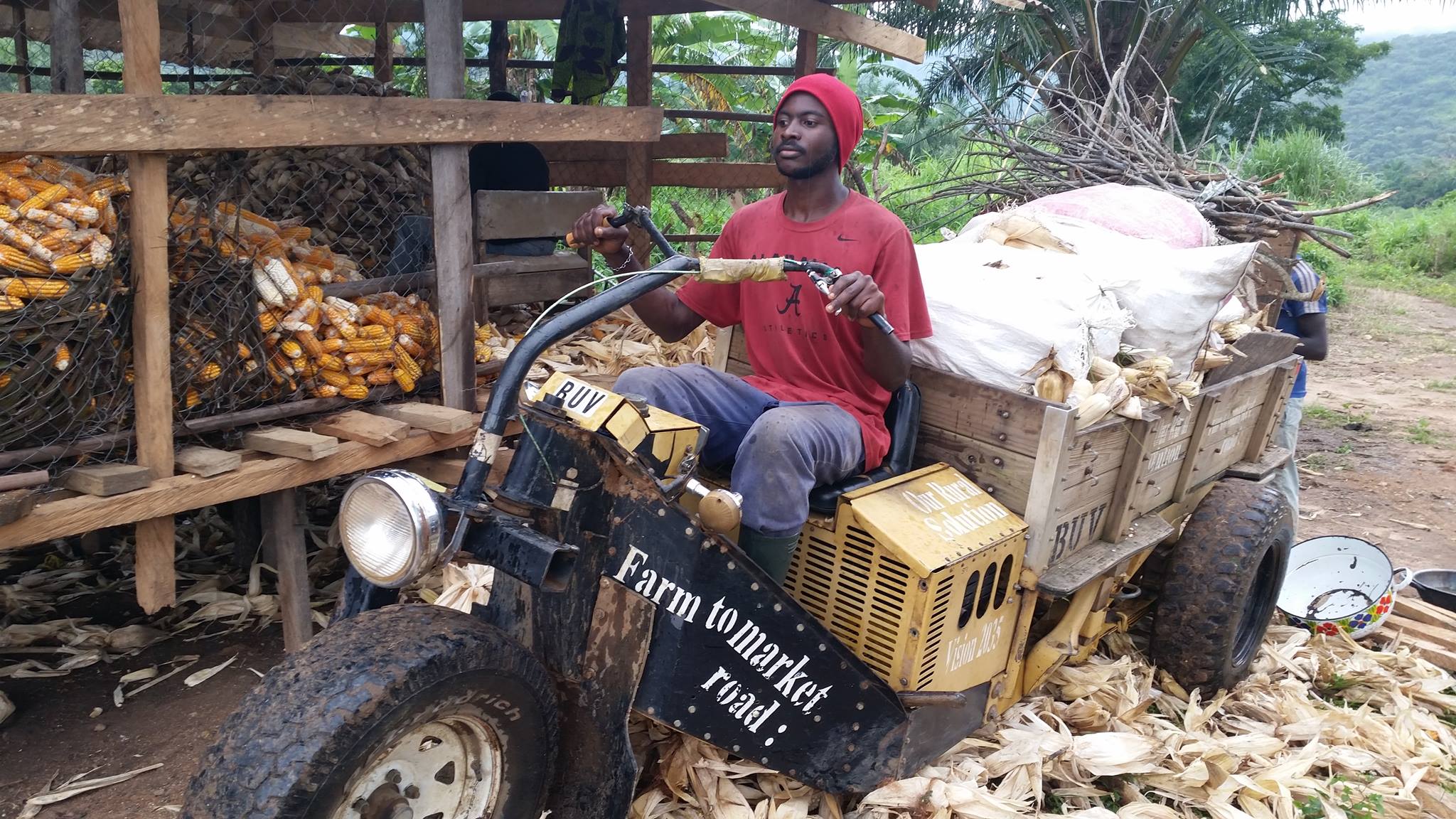
CAMEROON · LIVELIHOODS
Silas put a used BUV to work.
A used BUV became a transport service, moving crops through difficult terrain and supporting Silas’s vision for a locally operated fleet.
Read the field account
His experience connects useful hauling with local enterprise: a vehicle, a driver who knows the routes, and work that customers need done. The field account describes the ambition to build a locally operated fleet; it is not a statement that this fleet is operating today.
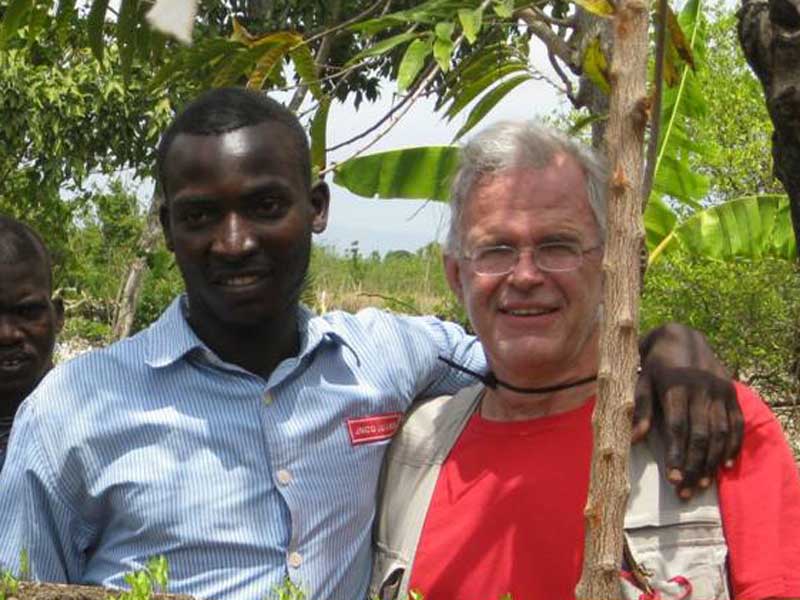
HAITI · RESILIENCE
Keeping teachers on the move.
After hurricanes cut off roads and supplies, Amoce used a BUV to keep nine teachers reaching their school for six weeks.
Read the field account
This archival account shows how locally available transport can support a community when ordinary routes and services are disrupted. The particular vehicle, route, and circumstances shaped the result.
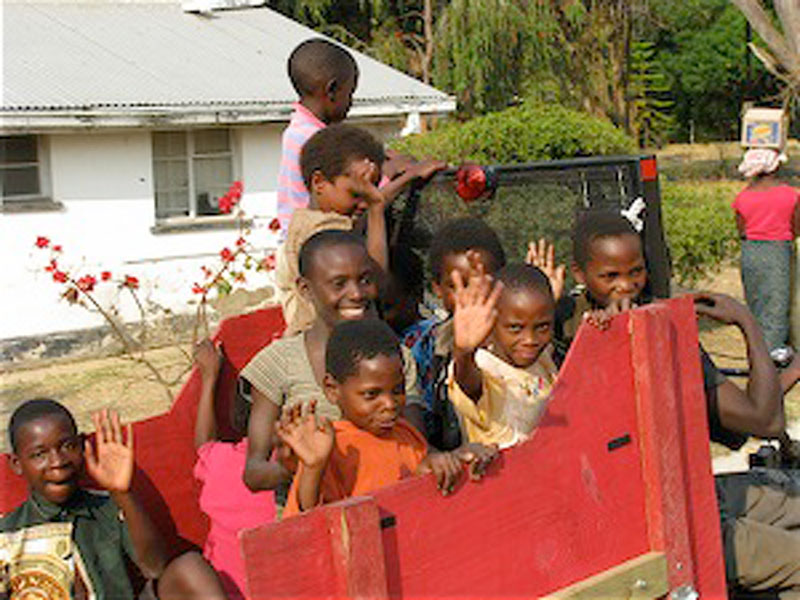
MALAWI · ACCESS
Making the journey feel closer.
Mama Cecelia described a BUV helping families reach school, markets, maize milling, and medical care after years of traveling on foot.
Read the field account
In the field account, those destinations felt “just near.” Her experience puts a human scale on distance: the trips people need to make, the loads they carry, and the time and effort a journey demands.
MALAWI · HEALTHCARE
Transport in service of care.
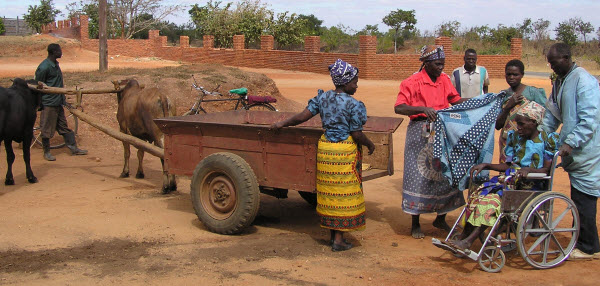
At Namikango Maternity Clinic, a BUV was put to work as a community ambulance for pregnant women and families far from care.
Read the field account
This is a historical account of a specific application. Medical and passenger uses require their own review of the vehicle, route, equipment, operator preparation, and suitability.
COSTA RICA · EMERGENCY TRANSPORT
Reaching care on a difficult route.
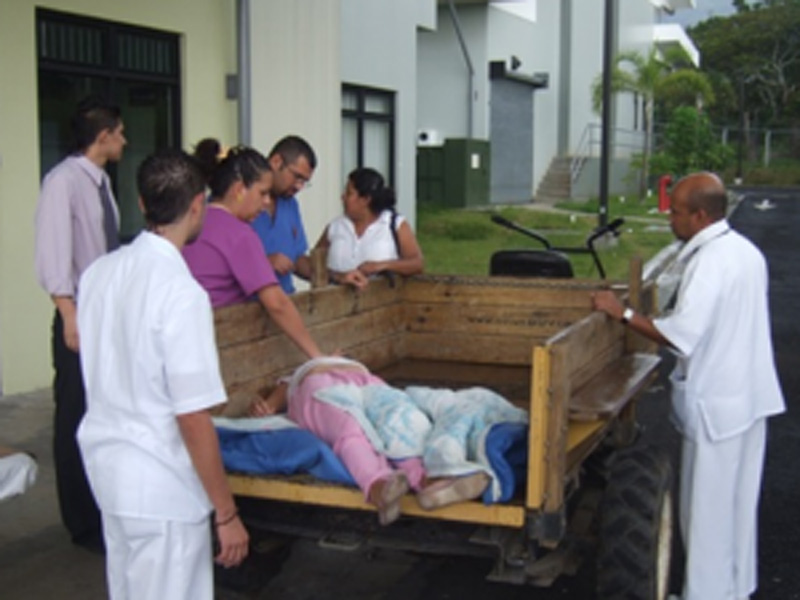
A BUV carried Lizbeth down a rain-soaked hill to a clinic, then returned to hard-to-reach construction work in Jazmín.
Read the field account
The account illustrates how a work vehicle served a particular need in a particular place. Specialized uses should be assessed for suitability rather than assumed from a past example.
GHANA · ENTERPRISE
Useful loads. A way to earn.
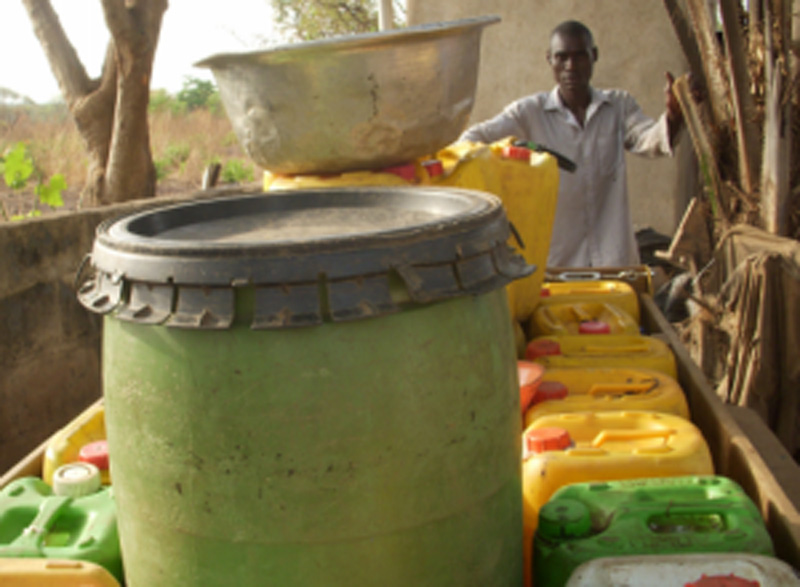
Hauling sand, gravel, and water helped Issah earn income, invest in his farm, and create work for others.
Read the field account
The field story describes a livelihood built around local demand. It reflects one operator’s experience, shaped by his customers, costs, routes, and ability to keep the vehicle working.
WHAT WE LEARN
Listen for what changed.
Work made easier.
What changed in time, carrying effort, access, or the ability to move goods?
Livelihoods supported.
Did the work help fund vehicle costs, household needs, or a local business?
Capacity strengthened.
What skills, maintenance capability, or local services developed?
MOVE THE WORK FORWARD
Have a DriveBUV story to share?
Operators, partners, volunteers, and supporters can help document the work accurately.